

Metal working is a crucial industry that forms the backbone of many economies, including Malaysia. As technology advances and demands evolve, mastering the art of metal working becomes essential for businesses to stay competitive and sustainable. In this article, we delve into the intricacies of successful metal working in Malaysia, providing insights and tips for businesses to thrive in this sector.
Understanding Metal Working in Malaysia
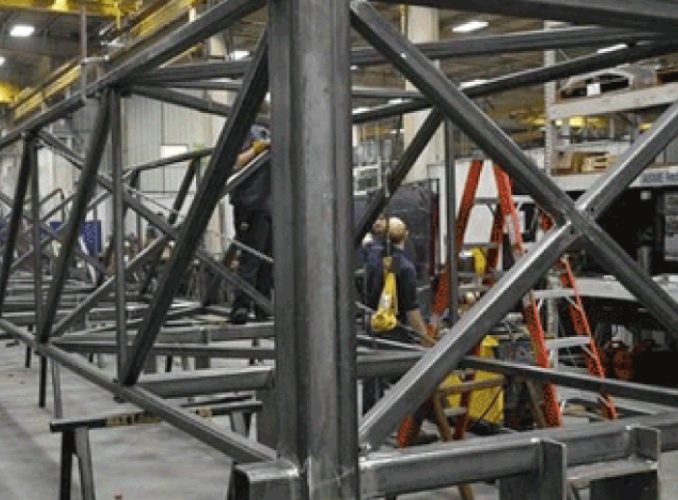
Metal working Malaysia is the cornerstone of various industries, from automotive to electronics, playing a pivotal role in Malaysia’s manufacturing landscape. This intricate process encompasses cutting, shaping, and assembling raw metal materials to create finished products, essential for sectors like aerospace, construction, and electronics. Its versatility fosters innovation and problem-solving, driving technological advancement while also contributing to job creation and economic growth. In Malaysia, the metal working industry stands as a testament to the nation’s industrial prowess, supported by a skilled workforce, modern infrastructure, and favourable government policies. Positioned strategically in Southeast Asia, Malaysia benefits from easy access to regional markets and abundant raw materials, fostering sustainable growth and international competitiveness.
Bolstered by proactive industry development initiatives and a commitment to quality and sustainability, Malaysia’s metal working sector is poised for continued success on the global stage. The government’s support, coupled with strategic location advantages and robust infrastructure, positions Malaysia as a hub for metal working excellence. With ongoing efforts to enhance productivity, foster innovation, and promote collaboration, Malaysia’s metal working industry is set to drive economic prosperity and contribute significantly to the nation’s development trajectory.
Challenges in Metal Working
-
Supply Chain Issues
One of the primary challenges faced by metal working companies in Malaysia is managing complex supply chains. Procuring raw materials, components, and equipment often involves dealing with multiple suppliers, which can lead to logistical delays and increased costs.
-
Skilled Labor Shortage
Despite the presence of a skilled workforce, the metal working industry in Malaysia grapples with a shortage of specialized talent. As technologies evolve, there is a growing demand for workers proficient in advanced machining techniques and digital manufacturing processes.
-
Regulatory Compliance
Navigating regulatory requirements and compliance standards poses another hurdle for metal working businesses in Malaysia. Strict regulations regarding environmental protection, workplace safety, and product quality necessitate thorough adherence and constant monitoring.
Mastering the Art of Metal Working
-
Investing in Technology for Metal Working Excellence
In the fiercely competitive landscape of metal working, companies strive to maintain a leading edge by embracing cutting-edge technological advancements. Recognizing the transformative power of technology, businesses prioritize investing in state-of-the-art machinery, automation systems, and digital tools. By adopting these innovations, companies can significantly enhance their productivity, precision, and efficiency in metal working processes. State-of-the-art machinery offers advanced capabilities, allowing for more intricate and precise metal shaping and fabrication. Automation systems streamline workflows, reducing manual labour and minimizing errors, while digital tools enable real-time monitoring and analysis, empowering businesses to make data-driven decisions. Furthermore, technological investments not only improve operational efficiency but also position companies as industry leaders, attracting clients seeking high-quality and innovative metal working solutions.
-
Empowering Through Continuous Training and Development
In the dynamic realm of metal working, the pursuit of excellence extends beyond technology to encompass the skills and knowledge of the workforce. Recognizing the pivotal role of employees in mastering the art of metal working, companies prioritize continuous training and development initiatives. By offering regular training programs, workshops, and certifications, businesses ensure that their employees remain abreast of industry trends and best practices. These initiatives not only enhance technical competencies but also foster a culture of learning and innovation within the organization. Employees equipped with updated skills and knowledge are better positioned to adapt to evolving technologies and production methods, driving operational excellence and customer satisfaction. Moreover, investing in employee development demonstrates a commitment to workforce empowerment and cultivates a skilled talent pool, essential for sustaining long-term success in the competitive metal working industry.
Tips for Successful Metal Working in Malaysia
-
Collaborate with Local Suppliers
Forge strategic partnerships with local suppliers and vendors to streamline supply chain operations and minimize dependencies on overseas sources. Collaborating closely with suppliers fosters transparency, efficiency, and mutual growth.
-
Focus on Sustainability
Incorporate sustainable practices into metal working processes to reduce environmental impact and enhance long-term sustainability. Implementing recycling initiatives, energy-efficient technologies, and waste reduction strategies demonstrate corporate responsibility and attract environmentally conscious customers.
-
Adaptability and Flexibility
Flexibility is key to navigating the dynamic metal working landscape. Embrace agile manufacturing practices and adaptable production methods to respond swiftly to market changes, customer demands, and technological advancements.
-
Networking and Industry Engagement
Engage actively with industry associations, trade fairs, and networking events to stay connected with peers, suppliers, and potential customers. Building strong professional relationships and staying updated on industry trends can open doors to new opportunities and collaborations.
Conclusion
Mastering the art of metal working in Malaysia requires a combination of innovation, expertise, and strategic planning. By understanding the unique challenges, investing in technology, and adopting sustainable practices, businesses can position themselves for success in this dynamic industry.